The Texas Dairy Industry’s Data Privacy and Security Guide
A modern dairy runs on data: herd records, milk statements, payroll, customer lists and the logins that tie them together. Protecting that information is now part of running the barn, and most of it comes down to habits.
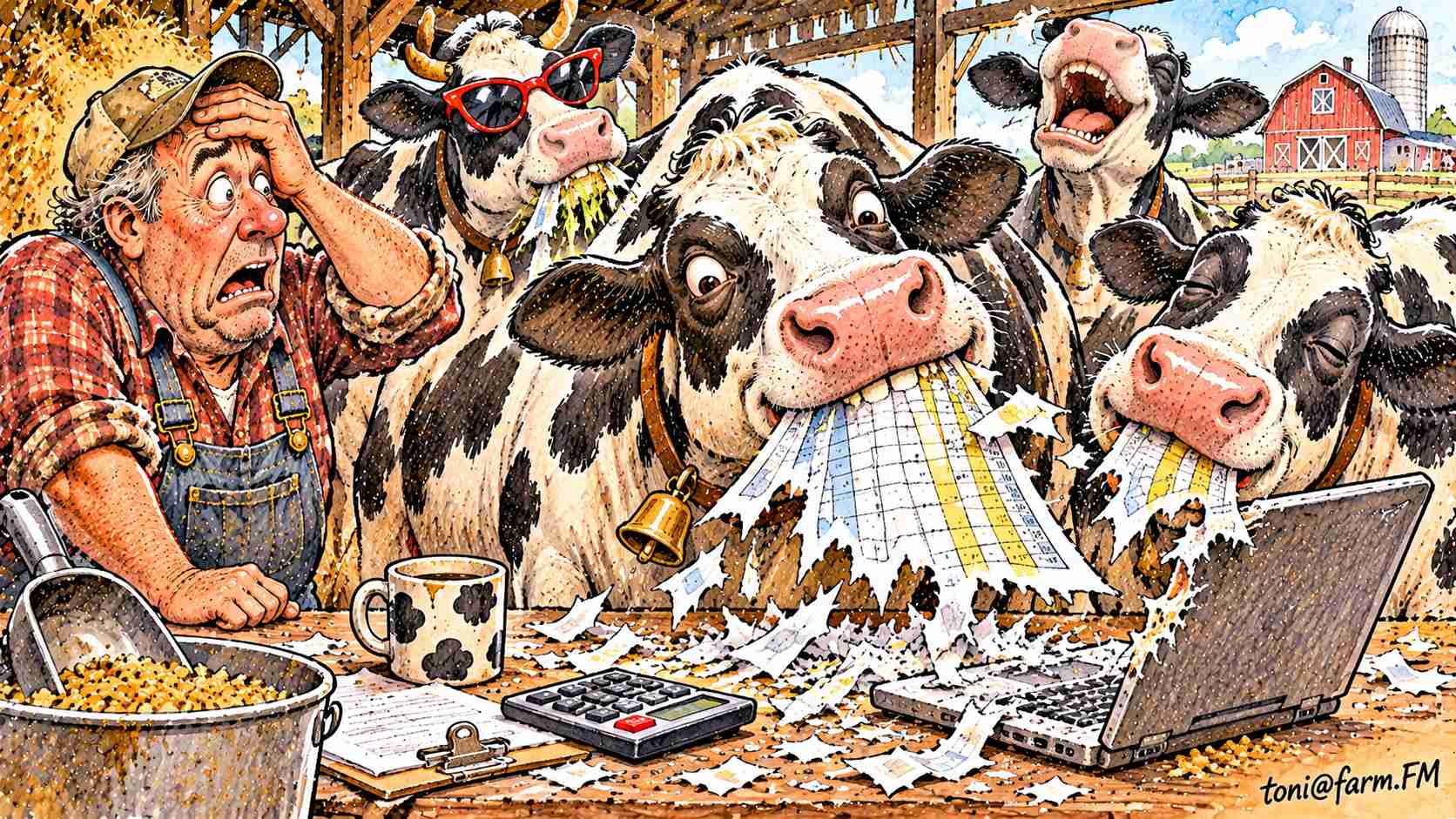
What data does a dairy actually hold?
Start with an honest inventory. Herd and breeding records, feed formulas, milk receipts, bank and loan documents, employee files with identification and pay details, and any customer contact information from direct sales all count. Sensor and software vendors may also hold copies of your herd data on their servers.
Each category carries different risk. A stolen employee file can hurt people directly, while a leaked feed formula can hurt your competitive position. Write the list down and mark which items would be hardest to replace or most damaging if exposed.
Which basic habits stop most problems?
Most incidents trace back to weak passwords, reused logins, unpatched software and a click on a convincing fake email. Unique passwords stored in a reputable manager, a second sign-in step on email and banking, and regular updates close a lot of doors.
Back up important files in two places, one of them off the farm, and test a restore at least once. A dairy that cannot open its books during a milk-check dispute or a lender request has a real problem.
- Unique passwords and a second sign-in step on email and banking
- Automatic updates on office computers and phones
- Offsite backup you have actually tested
- Separate accounts for each person, no shared logins
- A short written rule for who may approve payments
How do you spot scams aimed at farms?
Fraudsters target agriculture because payments are large and timing is tight. Common tricks include fake invoices from a feed or equipment supplier, a spoofed message from a boss asking for an urgent transfer, and calls pretending to be a bank. The CFPB and the FDIC publish consumer guidance on recognizing these.
Build a verification habit: call a known number before changing payment details, and never approve a wire based only on email. Tell your whole crew, including seasonal help, what a suspicious message looks like.
What should a vendor contract say about your data?
Herd software, milk-testing platforms and sensor companies all collect information. Before signing, ask who owns the data, whether you can export it in a usable format, whether it may be sold or shared, and what happens to it if you cancel or the company is acquired.
Ask where servers are located and how breaches are reported to you. Bring contract language to an attorney if the deal is large, since a short summary on a sales sheet rarely tells the whole story. For a sense of how equipment and software decisions fit together, see this farm equipment guide.
What does Texas law say about breaches?
Texas has laws on protecting sensitive personal information and notifying people after a breach, and federal agencies add their own rules. Details depend on the type of data and the size of the business, so confirm the current requirements with a Texas attorney or through the Office of the Attorney General rather than relying on a summary.
The Texas Department of Agriculture is not a privacy regulator, but its programs and licenses create paperwork, so know where those records live. If you process or sell milk, the FDA also expects good recordkeeping for food safety, which overlaps with security habits.
What if something goes wrong?
Have a one-page response plan before you need it. It should name who to call first, how to disconnect affected machines, how to reach your bank, and how to notify employees or customers whose information may be exposed. Keep a printed copy.
The IRS has guidance for business owners whose tax information may have been compromised, and the SBA offers cybersecurity basics for small businesses. Treat this section as general education and call a licensed professional for legal or insurance questions.
How do you build good habits across the crew?
Security works when everyone does the small things. Hold a short talk at a staff meeting, show a real phishing example and explain who to tell if a message looks off. Make it safe to report a mistake without blame.
Over at farm.FM you can find lighter reading in the dairy section, plus the farm news pages for reports on what farms are talking about this season. One farm.FM piece on farm data and security is a good prompt for a crew meeting, and the workplace safety side of the story is covered at this farm safety resource.
Sources and further reading
- CFPB: consumer finance protection
- FDIC: deposit insurance and bank information
- Texas Department of Agriculture: state agriculture agency
- FDA: food and drug safety
- IRS: federal tax guidance
- SBA: small business loans and counseling
Ask locally: Ask your bank's business security contact, an IT professional who serves farms near Stephenville and a Texas attorney about breach duties.