The Texas Dairy Industry’s Tax Guide
Taxes touch every part of a dairy, from how you record milk income to when you buy equipment. This is a map of topics for a conversation with your accountant, not tax advice.
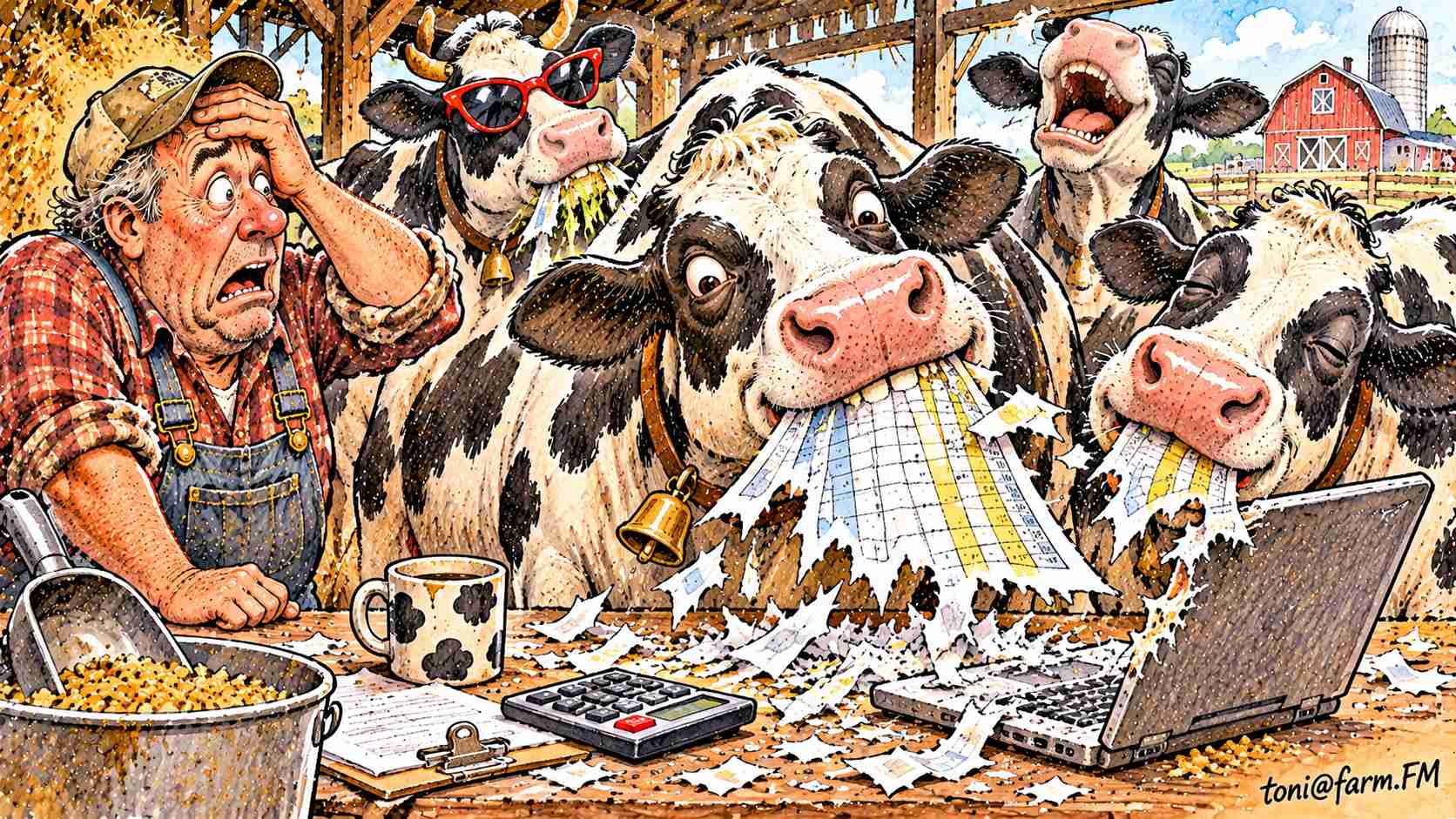
Why do dairy taxes need extra attention?
A dairy has big income swings, heavy equipment spending, livestock, feed inventories and often family partners. Choices about timing and structure can change what you owe from year to year, so planning beats a scramble in March.
The IRS publishes a guide for farmers and other resources on farm income, expenses and deductions. Read the current edition, since rules change, and bring questions to a professional.
Ask yourself three questions each fall: what changed this year in income, in equipment, and in family or partners? The answers shape most of the planning conversation, and writing them down saves time with your accountant.
What records matter most?
Keep milk statements, feed and supply invoices, equipment purchase documents, payroll, loan statements and herd purchase and sale records. Separate farm and personal accounts from the start.
Clean records make everything else easier, from tax filing to loan applications. A monthly routine beats a year-end pile of receipts.
Hold on to receipts for large purchases and keep an equipment list with purchase dates and costs. That list becomes the base for depreciation schedules, insurance values and loan reviews.
- Separate bank accounts for the dairy
- Monthly bookkeeping habit
- Receipts scanned and filed by category
- Herd inventory records
- Copies of loan and lease documents
How do income timing and accounting methods work?
Many farms use a cash method, but others use different approaches, and the choice affects when income and expenses are counted. Switching methods has rules, so ask before changing.
Federal programs payments, such as those explained by the Farm Service Agency, are reported according to specific tax rules, so tell your accountant about every payment you receive.
Livestock sales, culls and raised-herd decisions can carry special tax treatment, and the details are technical. Bring a herd inventory and sales summary to your meeting, and let the professional explain how each piece is treated. Cooperative patronage dividends and other noncash items deserve a question too, and the Economic Research Service gives broader context on farm finances.
What about equipment and depreciation?
Equipment, buildings and breeding stock may be depreciated under rules that change, and some rules allow faster write-offs under certain conditions. Buying a machine just for a deduction can be a mistake if the cash is not there.
Talk with your accountant before major purchases and compare with your finance plan. The money basics at this farm money guide and the equipment overview at this farm equipment resource can help you frame the choices.
What payroll and property taxes apply?
Employers handle payroll withholding and deposits, and mistakes bring penalties. The Texas Comptroller publishes information on state taxes, including sales tax rules and agricultural exemptions that may apply to certain purchases.
Property taxes are local and can include special valuation for agricultural land. Confirm eligibility and deadlines with your county appraisal office and a qualified adviser, since details are specific.
Texas farmers sometimes ask about fuel, feed and supply purchases, and exemptions can be specific to the item and use. Keep documentation and ask the Comptroller or your adviser instead of assuming.
How can you plan ahead?
Meet your accountant twice a year, once mid-year and once before year-end. Bring updated numbers and ask what can be done before the books close, such as timing of purchases or sales.
Think about retirement, succession and estate questions, which carry tax effects. The SBA offers business planning information, and your lender may want tax returns for loan reviews. Lenders such as Farm Credit associations often explain what they look for.
Hold a short family meeting about taxes and the future, since decisions made together are easier to carry out.
What should you avoid?
Avoid mixing personal and farm money, ignoring notices, relying on rumor from a coffee table and waiting until the deadline. Do not take aggressive positions without advice.
For lighter reading about money and farms, there are economics pieces and dairy stories at farm.FM, plus a farm.FM story on farm taxes. Remember this is general education, not tax advice.
Sources and further reading
- IRS: federal tax guidance
- USDA Farm Service Agency: FSA farm programs and loans
- Texas Comptroller: state tax and economic data
- SBA: small business loans and counseling
- Farm Credit: cooperative agricultural lending network
- USDA Economic Research Service: farm economy data and analysis
Ask locally: Meet a CPA or enrolled agent who works with farms, and check property tax questions with your county appraisal office.