The Texas Dairy Industry’s Energy Efficiency Guide
Power is one of the few big dairy costs you can actually shrink with a screwdriver and a spreadsheet. This guide walks through where the kilowatts go and how to decide what is worth fixing.
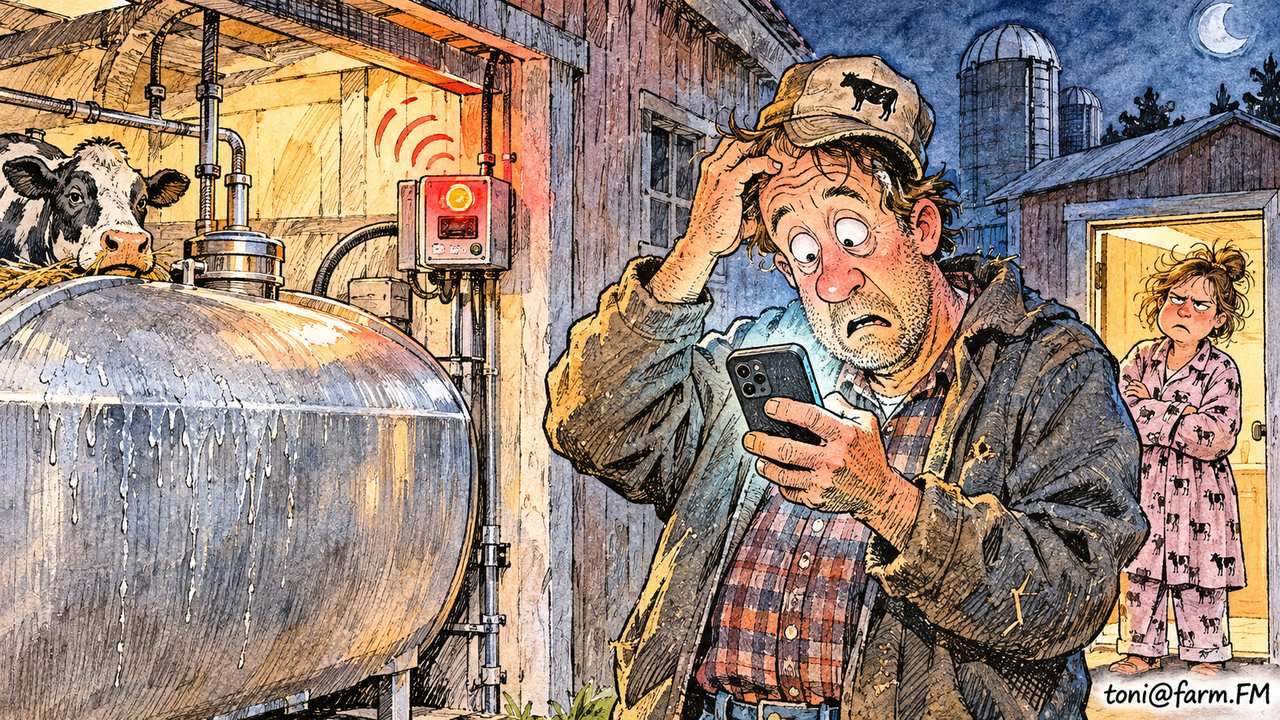
Where does a dairy use energy?
The big three are milk cooling, water heating and ventilation. Vacuum pumps, lighting, manure handling and feed equipment follow. A Texas summer pushes cooling and fans higher than most states see. A cooling system running on a hot August afternoon is a different animal from one in February, so compare like months year over year, not neighbors on a calendar.
The place to start is your utility bill. Pull twelve months, mark the summer spike and the parlor schedule, and you have a map of where to look first.
What upgrades usually pay back?
Without making up numbers, the common winners are well known. Heat recovery from the milk cooler to pre-heat water, variable-speed vacuum pumps, efficient lighting and well-maintained fans tend to appear on every extension checklist. Actual savings depend on your system and electric rates, so get quotes and check payback yourself. Whatever you choose, a licensed electrician and a FDA-aware milk cooler technician should confirm any change touching the bulk tank. Start with the cheapest fixes, since a free weekend of work often beats a financed project. Ask your supplier for the model numbers of existing equipment, because upgrades that fit your old gear are usually cheaper than a full replacement.
The USDA NRCS has historically offered energy-related technical help, and USDA Rural Development has programs for rural energy projects. Terms, funding and eligibility change, so confirm with the local office.
How do you size up an audit?
An energy audit looks at equipment, run times and rate structures. Ask who is doing it, what they sell and how the recommendations are ranked. A trustworthy auditor can show their assumptions. Request a sample report from the auditor and read it before you sign. A good report lists each recommendation with its cost, expected savings and the assumptions behind them.
Questions to ask before saying yes:
- Is the audit free, and does the auditor also sell equipment?
- Are savings estimates based on my meter data?
- What maintenance is needed to keep savings real?
- Is any financing or cost-share available?
What about rates and utility programs?
Rate structures can matter as much as usage. Some utilities and co-ops offer demand-based or time-of-use rates, and shifting loads out of peak hours may cut the bill. Ask your electric provider about options and any rebates for farm equipment. Also ask whether your power use is metered separately for the parlor, the barn and the house. Separate meters make every future decision easier.
The Texas Comptroller publishes state energy and economic information, and the Texas Department of Agriculture lists state agricultural programs.
Is solar worth considering?
Maybe. Solar suits farms with daytime loads and good roof or ground space, and Texas has plenty of sun. But the math depends on interconnection rules, your rate, financing and tax treatment. Talk with a tax professional and review IRS guidance before counting on any credit. A small solar array on a milk house roof is a different project from a large ground array, and the permits, insurance and financing differ too.
Treat sales pitches with healthy caution and get more than one bid.
What does good maintenance have to do with energy?
A dirty condenser coil, a worn belt or a clogged fan louver can burn extra power every hour of every day. Many energy savings come from upkeep rather than new equipment. Set a calendar for cleaning coils, checking belts, replacing worn bearings and testing controls.
Track the monthly bill against your milking count, so you can see whether usage per hundredweight is moving. If your numbers climb for no clear reason, something is probably broken or running when it should not be. The dairy stories on farm.FM are a pleasant break while you wait for the refrigeration tech, and OSHA guidance is worth a look before anyone climbs near electrical or rotating equipment.
- Clean condenser coils on a schedule
- Check belts and bearings on vacuum pumps
- Test thermostats and timers each season
- Log monthly kilowatt-hours per hundredweight
How do you make it stick?
Assign one person to watch the bill monthly. Add equipment checks to your calendar and log what you fix. The equipment maintenance guide has tips for keeping machinery tuned, and the farm budgeting guide shows how to track savings.
Over at farm.FM they like to joke about the dairy who unplugged a fan to save money and lost a cow's worth of milk, and a farm.FM story about the electric bill is in that spirit. The agribusiness section adds more on costs.
Sources and further reading
- USDA NRCS: conservation programs and technical help
- USDA Rural Development: rural business and community programs
- Texas Comptroller: state tax and economic data
- Texas Department of Agriculture: state agriculture agency
- IRS: federal tax guidance
- Texas A&M AgriLife Extension: Texas extension service
Ask locally: Ask your electric provider's farm account rep and an AgriLife Extension specialist for an energy review of your parlor and cooling system.