Milk Production and Herd Growth
From the Barn to the Board Room: Inside a Texas Dairy Expansion
A dairy expansion starts long before the first load of dirt. Here is the business side, from the planning table to the lender's office to the parlor floor.
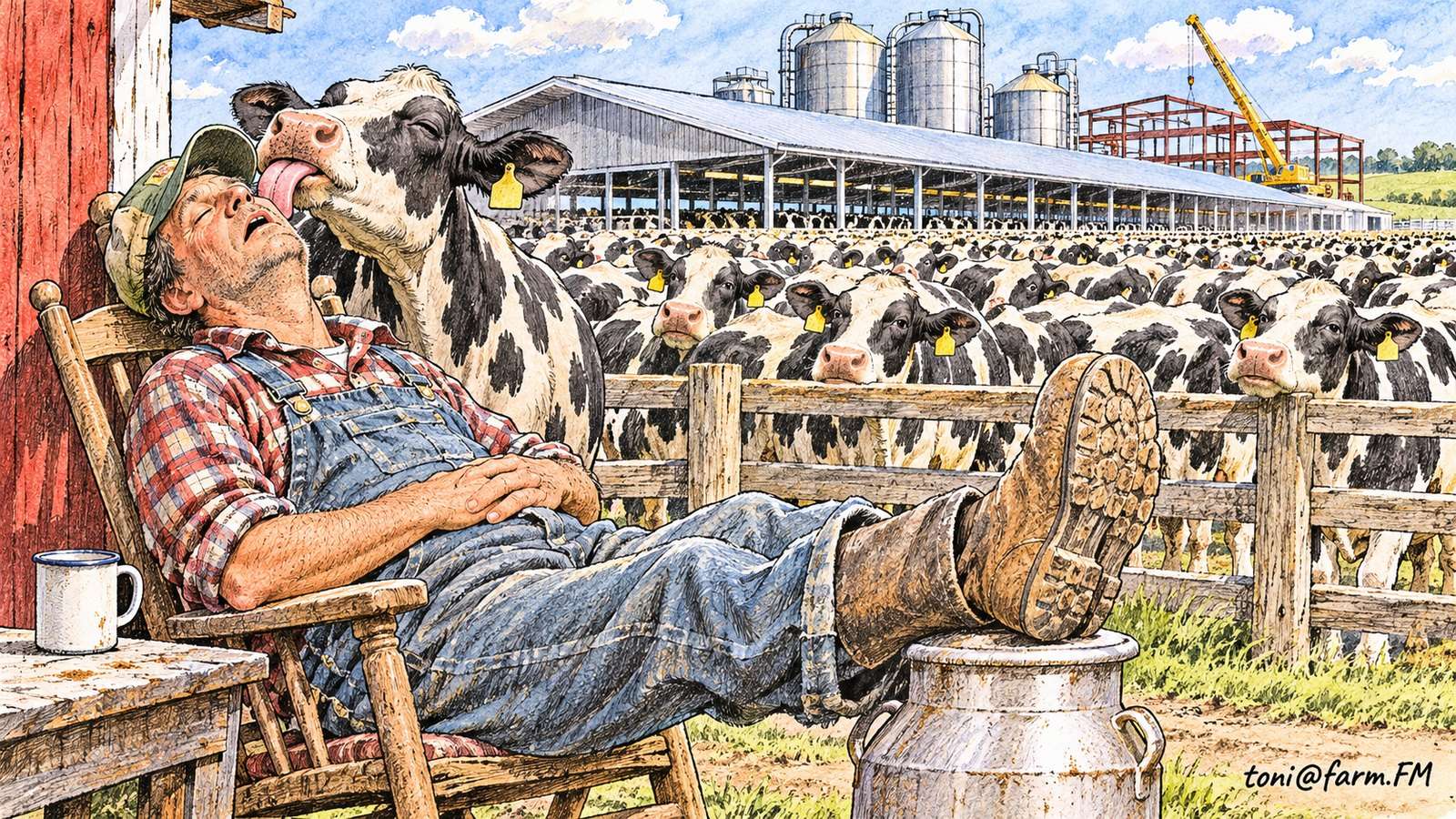
What does an expansion really involve?
Expanding a dairy is a business project as much as a farm project. It involves herd plans, buildings, equipment, permits, financing, a market for the milk and people to run it. If any one piece is missing, the rest cannot carry the load.
This story is not about one particular dairy, and no numbers here refer to any real operation. The goal is to show the questions that decision makers should answer.
Start with the big one: will the buyer take the extra milk, and at what terms?
Another early question is land and location. Siting a new barn means looking at wind, drainage, road access, neighbors and distance to feed and water. The best site on paper is not always the best site on the ground, so walk it with your engineer in more than one season.
How do you build the business case?
Build a monthly budget showing income, feed, labor, interest and repairs at several milk prices, including a low case. Show cash flow, not just profit, and include the cost of raising or buying more cows.
Do a stress test. What if milk is cheaper and feed is dearer for a year? A plan that fails that test needs more cushion before it goes forward.
The basics of farm budgeting appear in this farm money guide, and Texas A&M AgriLife Extension has economists who can help you build a budget through its dairy economics resources.
Include an honest line for management time. A larger dairy needs more of the owner's attention on people and paperwork, and less on cows, and the owner should decide if that is the job they want.
- Monthly cash flow under three price cases
- Cost of replacement heifers
- Debt service coverage
- Contingency for delays
How does financing work?
Common lender types include commercial banks, credit unions, Farm Credit associations and, for some borrowers, FSA loan programs. Each has different terms, appetite for risk and requirements. Compare more than one.
Bring financial statements, tax returns, a herd and production history, the business plan and your buyer's letter or contract. Ask about rates, fees, collateral, covenants and prepayment terms, and check current terms because they change.
You can read about lender types at Farm Credit and about state bank oversight at the Texas Department of Banking. This is general education, not financial advice, so talk to a licensed professional.
What about permits and water?
Larger dairies need environmental permits, nutrient management plans and sometimes water rights or well permits. Talk to TCEQ early and bring your engineer, because delays here can stall everything.
Water planning matters, especially in the Panhandle and High Plains. The Texas Water Development Board publishes regional water information that helps you understand supply.
Local rules apply too. County and city governments may have road, zoning or building requirements.
Talk to the neighbors early. Odor, traffic and water concerns are real, and a respectful conversation before the project is public builds goodwill. County officials will also want to hear that you have a plan.
What about people and equipment?
A bigger dairy needs more hands and more training. Budget for wages, housing, safety equipment and onboarding. The labor stories on this site cover options.
Equipment decisions should balance cost and service. Compare brands, ask for farm references and think about repair support nearby. A farm equipment guide covers purchase basics.
Do not forget feed storage and handling. A larger herd can outgrow a feed system quickly.
What goes wrong most often?
Common problems include underestimating construction costs, delays in permits, milk prices falling just when new cows arrive, and underestimating labor needs. Another is growing faster than management skill allows.
Stage the expansion if you can. Add cows in groups, learn from each stage and keep a cash reserve.
Talk to producers who have done it. Most are glad to share what they learned, including the mistakes.
Take the time to compare your plan against market reports and a realistic price outlook. Optimistic assumptions are where many plans fail.
Where can you read more?
For context on how big dairies fit into the larger industry, farm.FM has dairy stories and agribusiness coverage, including a farm.FM piece on dairy expansion.
Keep a notebook of decisions and the reasons behind them. When things change, you will know what assumptions to revisit.
Sources and further reading
- FSA Farm Loans: FSA direct, guaranteed, microloan and emergency loan information
- Farm Credit: cooperative agricultural lending network
- Texas Department of Banking: state bank regulator
- TCEQ: Texas environmental regulator
- Texas Water Development Board: water planning and funding
- Texas A&M AgriLife Extension: Texas extension service
Ask locally: Ask a farm lender, an AgriLife Extension economist and an engineer to review your plan before you commit.