Milk Production and Herd Growth
The Future of the Texas Dairy Herd: Growth and Consolidation
Fewer, larger dairies is a trend in many states, and Texas has its own version. The question for producers is less about the trend line and more about what scale fits their land, labor, lender and family.
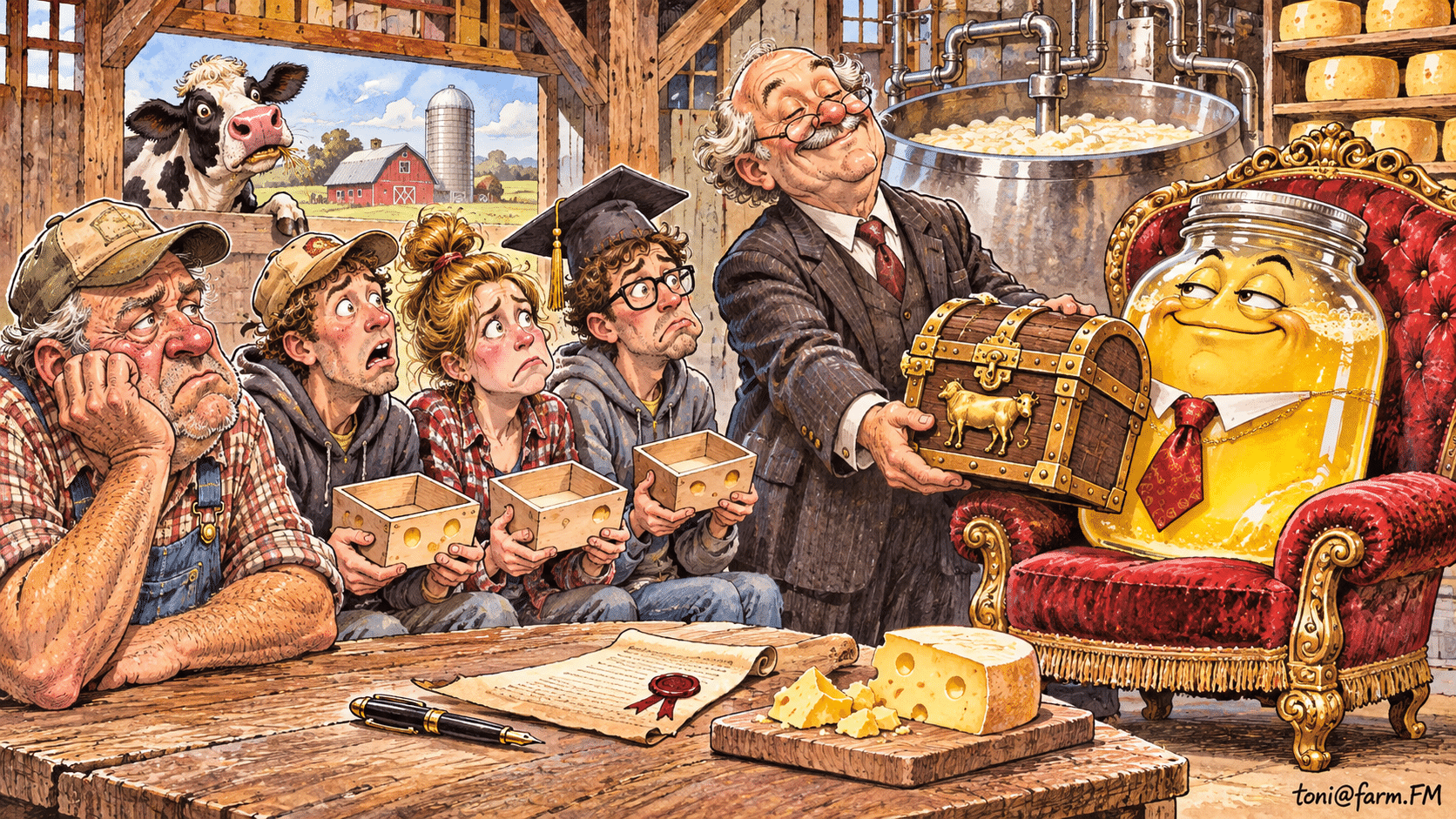
What does consolidation mean on the ground?
Consolidation means fewer farms producing a larger share of milk, usually on bigger herds. It can come from expansion, from mergers, or from farms exiting. The Census of Agriculture from USDA's census is the standard place to see farm counts and sizes over time.
Any figures you see quoted are as reported and should be checked at the source. This article does not add its own numbers.
Reading the trend correctly means asking which direction the change runs in your area. A county can lose farms while its total milk output rises, and the reverse can also happen. The averages hide the story, so look locally before you plan.
Why do herds grow?
Scale can spread fixed costs, such as equipment and management, across more cows. Larger herds may also have better access to buyers, input pricing and labor specialization. These advantages come with higher capital needs and more exposure to price swings.
Texas has room and feed access in some regions, which helps expansion, though water, labor and manure management can limit it.
Processing capacity also shapes growth. A herd can only expand if the milk has a place to go, so ask your cooperative or processor about plans before you add cows.
What are the trade-offs of growth?
Growth needs capital, and debt amplifies both good and bad years. A herd that adds 200 cows has to feed, house, milk and manage them, while keeping quality up. Many dairies grow too fast and run out of management time.
Smaller herds can compete with niche markets, strong cost control, on-farm processing or cooperative marketing. Neither path is guaranteed.
Mid-sized herds often feel squeezed from both sides. Strategies include tightening costs, adding value through direct sales, or partnering with neighbors on equipment and labor.
- Capital needs and debt service
- Labor supply and training
- Feed and water access
- Manure and compliance capacity
How should you plan an expansion or an exit?
Write the plan down and test it with a lender, an accountant and an extension economist. Compare local banks, credit unions, Farm Credit and FSA farm loans. Ask about term, collateral and how the loan behaves in a low-price year.
Exits need planning too. Equipment, cows and land can be sold, leased or transferred, and tax consequences matter. See IRS guidance and talk to a licensed professional. Our farm money guide covers budgeting basics.
What does it mean for rural communities?
Dairy is tied to feed dealers, vets, haulers and processors. When herds consolidate, those businesses adapt, and rural towns feel it. USDA Rural Development and the Texas Comptroller publish economic information about communities.
Local support matters. A dairy that buys feed and hires nearby keeps money in the area, a point often raised in rural farm discussions.
Feed dealers, vets and haulers all make business decisions based on how many dairies remain nearby. Ask them how they see the next five years, since their plans affect your costs.
Keep reading and keep counting
For more on dairy economics, visit farm.FM dairy and the economics section, which includes a farm.FM story on dairy consolidation. Over at farm.FM the tone can be playful, but the numbers on your own farm are what count.
Run your own scenarios with a conservative milk price and a high feed price. If the plan survives, you can consider it further.
A checklist before you add cows
Confirm that your milk market, your water supply, your manure plan and your labor pool can handle a larger herd. Then confirm that your lender agrees with your projections, using conservative milk prices.
Finally, ask what you would do if prices fell for a year. If the answer is a clear plan, you are ready to keep going. If the answer is a shrug, spend more time on the plan first.
Sources and further reading
- Census of Agriculture: USDA census of farms
- Farm Credit: cooperative agricultural lending network
- FSA Farm Loans: FSA direct, guaranteed, microloan and emergency loan information
- IRS: federal tax guidance
- USDA Rural Development: rural business and community programs
- Texas Comptroller: state tax and economic data
Ask locally: Ask your lender, an accountant and an AgriLife Extension economist to stress test any growth or exit plan.