Milk Production and Herd Growth
The Texas Dairy Industry’s Agritourism Potential
People like seeing where milk comes from, and Texas has plenty of visitors within a drive of its dairy country. The harder question is whether opening your farm to them pays and what it asks of you.
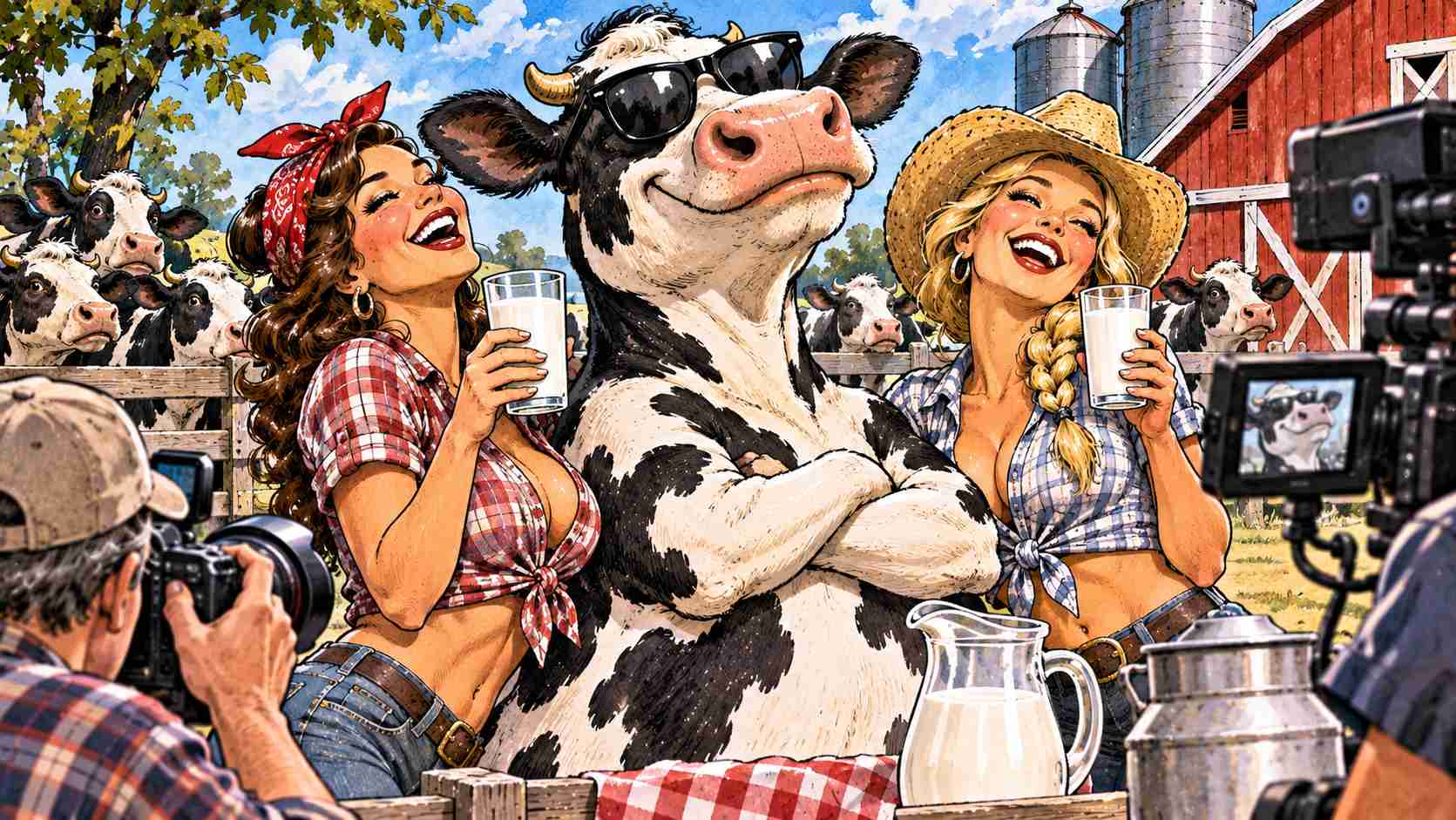
What does dairy agritourism look like?
It ranges from a seasonal school tour to a year-round farm store with a viewing window. Other forms include tasting events, farm stays, festivals, pick-your-own days and partnerships with local restaurants.
The best model for you depends on your location, your barn layout and how much time your family or crew can give. A dairy outside Stephenville has different traffic than one along a Hill Country tourism route.
Walk your property the way a stranger would, from the parking spot to the barn, and note every spot that could confuse, trip or worry a visitor. That walk is the cheapest feasibility study you will ever do.
How much income should you expect?
It varies widely and depends on traffic, pricing, season and your labor cost. Do not rely on any single number quoted elsewhere. Instead, estimate what each visitor might spend, how many visitors you can handle safely, and what you must spend on staff, parking, restrooms and signs.
Start with a modest pilot, such as a few open days a season, and track every cost and dollar. The USDA Economic Research Service publishes farm income analysis, and extension programs can help you build a realistic budget.
Remember, too, that bad weather and disease restrictions can cancel a season. Keep the pilot small enough to survive a washed-out weekend, and check current health guidance from USDA before inviting groups near animals.
What are the safety and liability issues?
Cows, equipment and visitors do not mix without planning. Separate guest areas from working areas, post clear rules and keep hand-washing stations close, since animal contact carries health risks that the CDC explains in its guidance for farm visits.
Tell your insurance agent exactly what you plan. Ordinary farm policies may not cover visitors, and some activities need separate coverage. Review general safety planning at this farm safety guide and the standards on OSHA.
- Fenced visitor routes, away from machinery
- Hand-washing stations at exits
- Trained staff at every animal contact point
- Clear signs for children and strollers
- Written emergency plan and first aid kit
What permits and rules might apply?
If you serve food, sell dairy products or hold events, local, county and state rules may apply, from health permits to zoning and signage. The Texas Department of Agriculture is one starting point for state programs, and your county can explain local rules.
Texas law includes protections for certain agricultural activities, but details matter. Confirm current requirements with a licensed attorney rather than relying on a summary.
Parking, restrooms and road access also draw local attention. Talk with neighbors before your first event so surprises stay small.
How do you market a farm visit?
Photos of calves, a clear website with hours and directions, and listings on regional tourism pages go a long way. Partnerships with schools, scout groups and nearby businesses can fill slow days.
Be accurate about what visitors will see. Milking times, animal moves and weather can change the plan, so build in alternatives. Check what Texas A&M AgriLife Extension offers for farm-based business training. Ask guests how they found you and what they would change, and write the answers down.
Does the farm stay a working farm?
This is the quiet tension. A farm that spends all day on visitors can neglect the cows. Set hours, assign dedicated staff and protect core chores first. A single bad day can ruin an otherwise good season. A written schedule shared with the crew helps keep chores on time.
Think through how visitor income fits with the rest of your finances, and consult your lender or accountant. The practical side of herd routines is summarized at this dairy care resource.
Where can you find ideas and a laugh?
Browse other farms to see what they offer, and compare notes with local dairies. At farm.FM, the dairy section has stories about life on the farm, and the satire section has a few jokes about what visitors ask. A farm.FM story on farm tours and agritourism might spark an idea.
Whatever you try, start small, keep notes and adjust. The goal is a visit that pays and still leaves the cows content.
Sources and further reading
- USDA Economic Research Service: farm economy data and analysis
- CDC: public health
- OSHA: workplace safety
- Texas Department of Agriculture: state agriculture agency
- Texas A&M AgriLife Extension: Texas extension service
- USDA: U.S. Department of Agriculture
Ask locally: Talk with your insurance agent, your county officials and an AgriLife Extension agent who works with agritourism near Stephenville.