Milk Production and Herd Growth
Texas Adds 28,000 Milk Cows: Inside the State’s Rapid Herd Expansion
A headline number like 28,000 more milk cows grabs attention, but the useful part is what it does to feed, heifers, water and plant capacity. Here is how to read it.
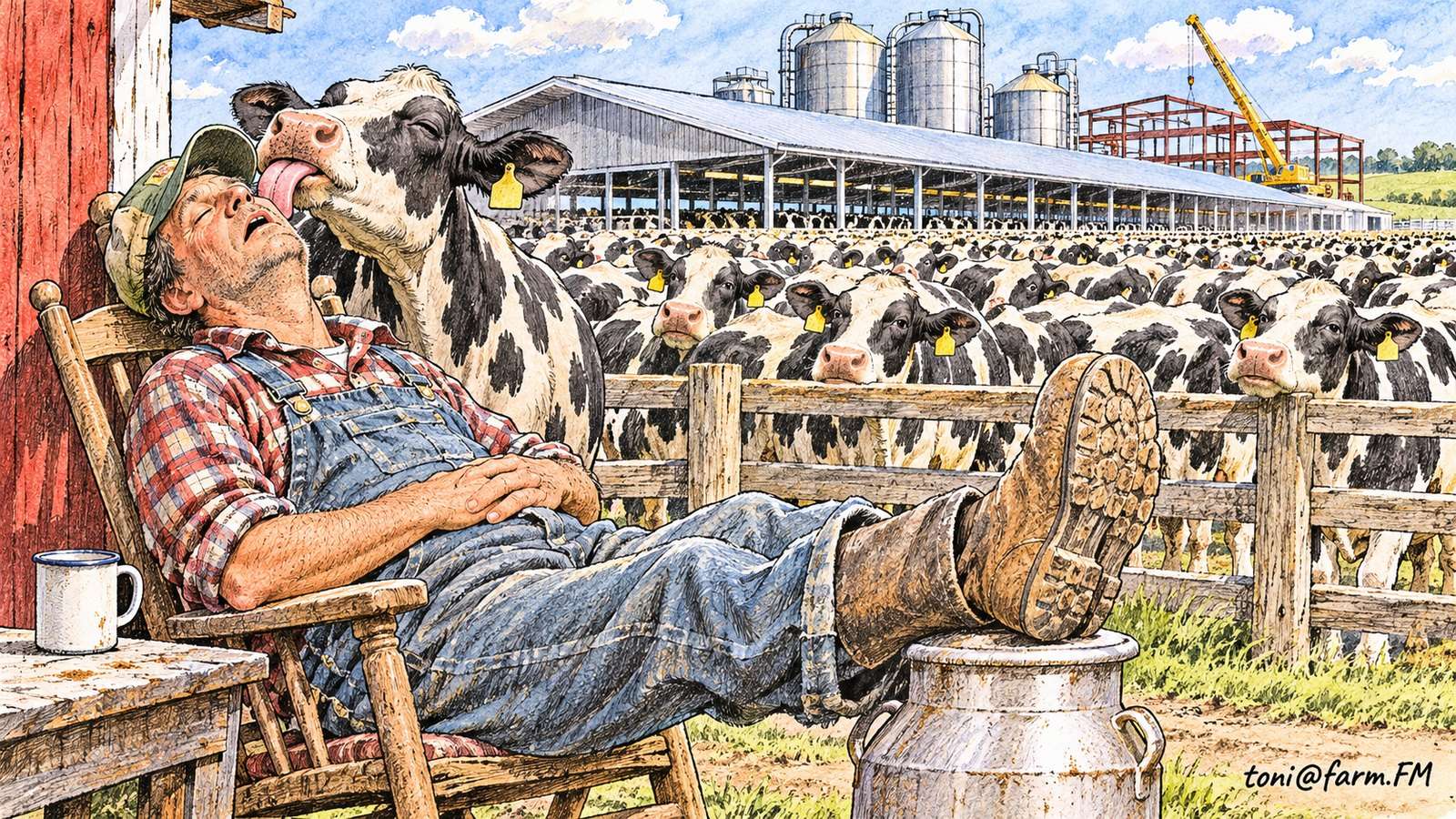
Where does a herd number like this come from?
Cow counts come from government surveys and state reports, and the headline figure is as reported. Check it, and the date it covers, in USDA NASS data before quoting it to a lender or a buyer.
Remember that milk cow numbers can move because new cows are added, because older ones leave, or because a big dairy changes its herd size. Net growth is the result of all of that together.
If you want a second view, the Census of Agriculture gives a periodic look at farm counts and herd sizes by county, which helps put a single survey number in context.
How does a herd expansion actually happen?
Adding cows is more than buying cows. A dairy needs barn or lot space, milking parlor capacity, manure handling, feed storage and people to run it all. Many expansions are staged over several seasons so the parlor and the labor keep up.
Replacement heifers are the quiet bottleneck. Raising your own takes about two years of feed and care, and buying them depends on the market. The step-by-step basics are in this dairy herd guide.
Spread the learning curve too. A dairy that doubles its milking string in one season takes on cow comfort, fresh-cow management and training issues all at once. Staged growth gives you time to fix problems while they are small.
- Parlor and cooling capacity
- Feed storage and mixing equipment
- Manure and nutrient management
- Labor and housing for employees
What does more cows mean for feed and water?
A larger herd leans on corn silage, hay, grain and byproducts, and local feed prices can respond. In the Panhandle and High Plains, water supply and groundwater rules shape how far a dairy can grow, so planners check them early. The Texas Water Development Board is a good place to start understanding regional water planning.
On the environmental side, permits and nutrient plans matter for any sizeable dairy. TCEQ explains the state rules, and your engineer can tell you which ones apply.
Feed supply deserves attention. Texas dairies buy a lot of corn and forage from within and outside the state, and a local drought can change the math overnight. The U.S. Drought Monitor is a quick way to check conditions.
Does a bigger herd mean lower prices?
More milk can pressure prices when demand does not keep pace, and that is the logic behind concern about supply. But new plants and new product lines can soak up the added milk, which is why herd growth and processing news often travel together.
Prices are posted weekly through USDA Dairy Market News. Watch the cheese and butter reports to see whether growth is being absorbed.
What should a producer ask before expanding?
Ask your buyer whether they want more milk and under what terms. Ask your lender what cash flow they need to see, and run a stress test where milk prices are lower and feed is higher. Ask your engineer about permits.
Financing basics are covered in a plain-English farm financing resource. Remember that none of this is financial or legal advice, so bring a licensed professional into the conversation.
Insurance and risk tools may be part of the plan. Ask your lender about the margin protection discussed in the FSA dairy program before taking on additional debt.
What are the signs to watch next?
Keep an eye on heifer prices, feed costs, plant announcements and the margin outlook. Any one can change the case for growth quickly.
At farm.FM, the farm news section follows these stories with a lighter touch, and the dairy page gathers related pieces. You might start with a farm.FM look at herd expansion.
What about the people side of expansion?
A bigger herd needs more hands. Milkers, feeders, herd managers and mechanics are all in demand, and finding them is often harder than finding cows. Workforce issues are covered in more depth elsewhere on this site, and the career side is in an agricultural careers resource.
Housing, training and safety all add to the budget. OSHA explains basic workplace safety duties, and a short, written training plan for new hires saves money and injuries. Small details like these decide whether an expansion pays off in year three.
Sources and further reading
- USDA NASS: agricultural statistics and surveys
- USDA Dairy Market News: weekly dairy price reports
- Texas Water Development Board: water planning and funding
- TCEQ: Texas environmental regulator
- Texas A&M AgriLife Extension: Texas extension service
Ask locally: Ask your cooperative field rep, an AgriLife dairy specialist and your lender about what expansion really requires.