The Texas Dairy Trade Balance: Exports and Imports
Dairy products cross borders every day, and what happens at ports and customs lines reaches the farm gate. Here is how to read a trade balance and where to find the data.
What is a trade balance?
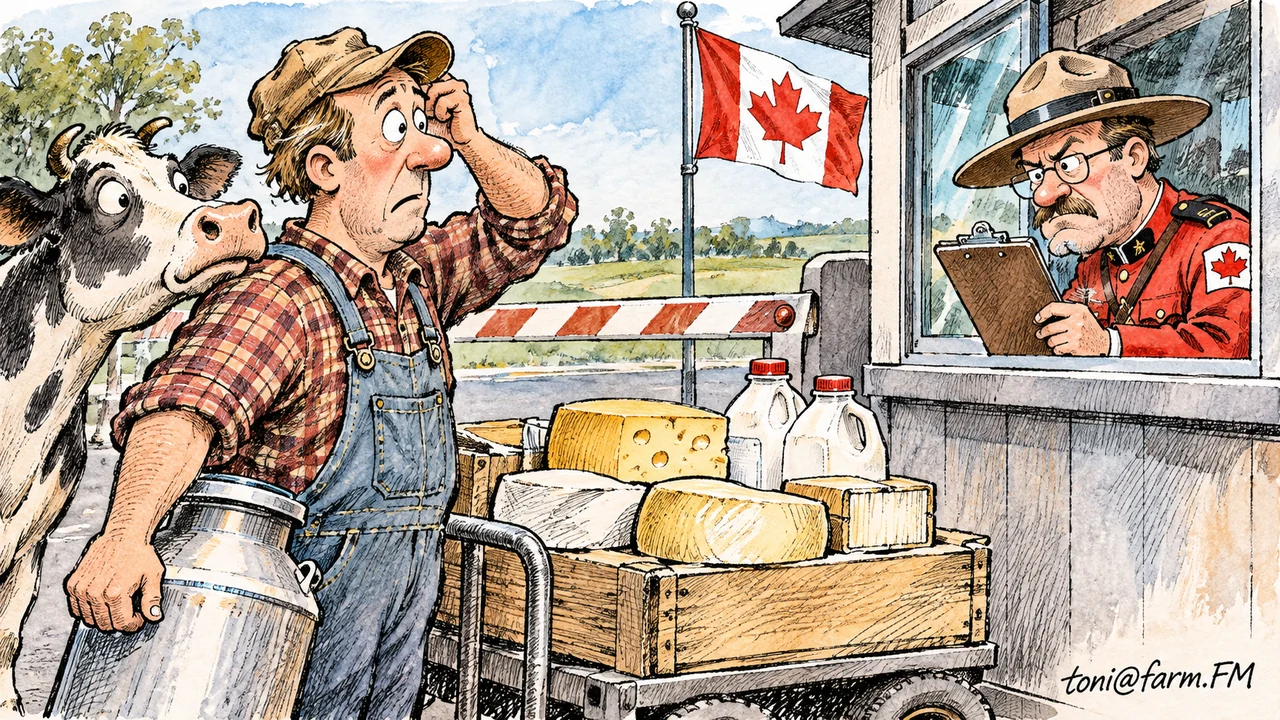
A trade balance compares the value of what a place sells abroad with what it buys from abroad. For dairy, a surplus means exports exceed imports and a deficit means the opposite. The balance is a headline number, but the story is in the products and the partners.
Check the official source for any number you read. Trade statistics come from federal agencies such as USDA Foreign Agricultural Service and the U.S. International Trade Commission, and they are updated regularly.
State level data can be harder to find and often lags, so read the notes on methods.
A deficit or surplus is also not the same as profit. A country can run a trade deficit and have a healthy dairy sector, because imports may fill niches that domestic producers do not serve. Context is everything.
What does the U.S. sell and buy?
Broadly, the United States exports products such as cheese, whey proteins, nonfat dry milk and lactose, and imports specialty cheeses, butter products and other goods. The mix matters because different products affect different parts of the farm economy.
Check current product detail at the U.S. Dairy Export Council and the International Trade Administration.
Texas plants and ports play a role, but export statistics are often reported by where goods leave the country, not where milk was produced.
State-level numbers are tricky because milk from Texas may be processed elsewhere and exported through another port. Treat any state-specific export claim as an estimate unless the source explains how it was built.
- Cheese and whey proteins
- Nonfat dry milk and powders
- Specialty imports
- Ingredients and lactose
Why does it matter to a Texas dairy?
Exports add demand for milk products and can lift prices, especially for cheese and whey, which are tied to the value of milk in federal formulas. When export markets weaken, more product stays at home and prices can slip.
For a producer in Stephenville or the Panhandle, the link is indirect but real. A trade disruption can show up as a lower price for the cheese your milk becomes.
Follow the price effects in Dairy Market News and compare them with trade news.
A good habit is to look at a trade report once a quarter and compare it with your milk checks. Over a year you will start to see which products and markets matter most for your price.
What factors move the balance?
Exchange rates, tariffs, trade agreements, transport costs, foreign production and consumer demand all play a role. A stronger dollar makes U.S. products costlier for buyers, while disease outbreaks or trade rules can close markets quickly.
The U.S. Trade Representative publishes trade policy updates, and U.S. Customs and Border Protection explains import and export procedures.
Policy shifts can change quickly, so check current information.
How should you read a headline?
Ask what time period it covers, whether it measures value or volume, which products are included and which countries are involved. A deficit in one category can sit beside a surplus in another.
Check the source. Government agencies publish data with definitions, while commentary may emphasize one angle. Read both and compare.
Our article on tariff-rate quotas and the one on USMCA cover specific parts of the picture.
What can a producer do about trade risk?
You cannot control exchange rates or tariffs, but you can control costs and quality. A low-cost, high-quality dairy has a better chance of surviving a rough market. Talk to your cooperative about how it manages export exposure.
Financial planning helps too. A cash reserve, a flexible credit line and a lender who understands the dairy cycle give you room. See this farm money guide for basics.
Participate in farm organizations such as the National Milk Producers Federation that follow trade policy.
Consider exporting indirectly. Many farms do not sell abroad, yet their cheese does. Knowing that link makes it easier to follow trade news without feeling it has nothing to do with you.
Where can you read more?
Check the trade press and the Dallas Fed for regional trade analysis. At farm.FM, the agribusiness page and farm news cover trade stories, and a farm.FM piece on dairy exports adds a lighter view.
The dairy herd guide ties herd practices to the quality buyers expect overseas.
Sources and further reading
- USDA Foreign Agricultural Service: export markets and trade data
- U.S. International Trade Commission: tariff and trade data
- International Trade Administration: export help for U.S. businesses
- U.S. Customs and Border Protection: import and export rules
- USTR: U.S. Trade Representative
- USDA Dairy Market News: weekly dairy price reports
Ask locally: Ask your cooperative about its export exposure and a trade specialist at AgriLife Extension for context.