The Dairy Tariff-Rate Quota Program: What It Means for Texas
Tariff-rate quotas sound technical, but the idea is simple: a lower tax on a limited amount of imports, and a higher tax beyond that. Here is how they touch the milk check.
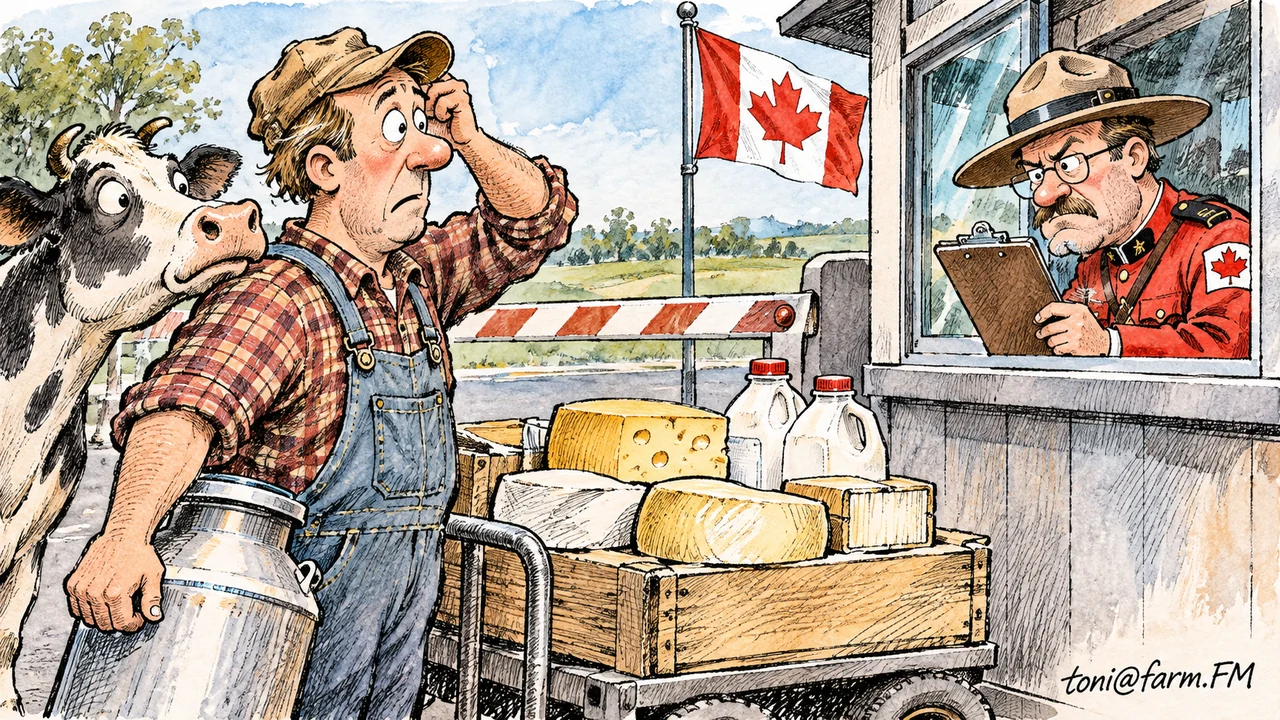
What is a tariff-rate quota?
A tariff-rate quota, or TRQ, sets a quantity of a product that can enter a country at a lower tariff rate. Imports above that quantity face a higher rate. The goal is to allow some trade while protecting domestic producers from a flood of imports.
Dairy is one of the product areas where TRQs have been used in trade agreements and import systems. The specific quantities, rates and rules change, so check current details with the U.S. Trade Representative and the U.S. International Trade Commission.
We do not state any numbers here, since they must come from the official source.
It also helps to know that TRQs are negotiated. Trade agreements often adjust quantities and rates, and the outcome can reflect political priorities as much as economics. That is why the rules are different from one country and one agreement to the next.
How does a quota system work in practice?
Governments allocate the in-quota amounts among importers using licenses, historical share or other methods. Each method affects who gets access and how much it costs. The licensing system can create its own market for access.
Rules for the U.S. system and for the rules other countries apply to U.S. exports differ. USDA Foreign Agricultural Service explains many export market rules, and U.S. Customs and Border Protection covers import procedures.
If you want details on any product, search the official tariff schedule, not a summary.
A hypothetical example: if a country allows a set amount of cheese at a low rate and charges a much higher rate on additional shipments, exporters will race to fill the quota early in the year. Once it is full, further sales may stall until the next period.
- In-quota quantity and tariff rate
- Over-quota tariff rate
- Allocation or licensing method
- Product definitions
Why do TRQs matter for Texas dairy?
For U.S. producers, TRQs influence how many imported dairy products, such as certain cheeses, compete with domestic production. For exporters, foreign TRQs can decide whether U.S. cheese or powder can enter a market at a reasonable cost.
Since Texas now produces a lot of milk, access to export markets can affect local plants and prices. Exports of cheese and whey are tied to farm prices through federal pricing formulas.
Follow the price effects in USDA Dairy Market News.
Exporters and importers watch fill rates closely because they signal how competitive markets are. A quota that fills fast suggests strong demand, while one that stays empty may point to other barriers.
What are the different views?
Supporters of quotas argue that they protect domestic farmers and preserve stable rural economies. Critics respond that they raise costs for consumers and food makers and can invite retaliation against U.S. exports.
Exporters often want broader market access abroad, while some domestic groups worry about competition at home. Both sides cite data, and the numbers depend on assumptions.
The GAO and the Congressional Budget Office publish independent analysis of some trade questions.
How should a producer follow the topic?
You do not need to read tariff schedules every week. Watch for announcements about trade deals, dispute decisions and changes in major markets. Your cooperative and national dairy groups such as NMPF and IDFA publish summaries.
Ask your handler how trade policy affects the products made from your milk. Understanding the link between a cheese export and your check is useful.
Keep your own costs low. See this farm money guide.
Be wary of simple stories. Trade rules interact with exchange rates, freight and consumer preferences, and a change in one often shows up somewhere else.
What are the limits of TRQ analysis?
A TRQ is only one of many trade tools. Exchange rates, sanitary rules, labeling standards and non-tariff barriers can matter as much. A good analysis looks at all of them.
Be careful with claims that a single policy will make or break dairy prices. Markets are complicated and respond to many things at once.
For history and context on how the dairy industry sees trade, see the dairy herd guide and the trade press.
If you want to dig deeper, ask your cooperative's trade staff for a one-page explainer on the products that matter to your milk.
Where can you read more?
For lighter reads, check farm.FM, including the agribusiness page and farm news. Try a farm.FM story on dairy tariffs too.
As always, check the official sources for current rules before making decisions.
Sources and further reading
- USTR: U.S. Trade Representative
- U.S. International Trade Commission: tariff and trade data
- USDA Foreign Agricultural Service: export markets and trade data
- U.S. Customs and Border Protection: import and export rules
- GAO: government watchdog reports
- Congressional Budget Office: cost estimates for federal programs
Ask locally: Ask your cooperative or a trade specialist at your farm organization how quota rules affect your products.