The Texas Dairy Industry’s Trade Policy Priorities
Trade policy can feel far from the milking parlor, until a tariff changes a cheese price. Here is a plain explanation of the trade priorities dairy groups discuss and how they connect to a Texas farm.
What are trade policy priorities?
They are the goals that industry groups ask governments to pursue: lower foreign tariffs, fewer technical barriers, enforcement of trade agreements and fair access to markets. Dairy groups usually press for more access for U.S. products abroad.
Specific priorities named in the headline or in group statements are as reported. Read the original statements from groups such as NMPF and the U.S. Dairy Export Council and check any claims at official sources. Priorities also differ by group. A cheese maker, a cooperative and a farm organization may not agree on every tariff question, and it helps to read several statements.
What do supporters of open trade argue?
Supporters argue that exports expand demand, support prices and let U.S. dairy compete on efficiency. They point to the importance of Mexico and other markets for cheese and powders, and they call for predictable rules so businesses can plan. Supporters also argue that trade agreements create dispute processes that can enforce rules, which matters when a partner puts up a barrier.
Official trade data from USITC and policy information from the U.S. Trade Representative show how agreements and tariffs are structured.
What do critics say?
Critics respond that trade deals can bring costs as well as benefits. Some argue that retaliation from trading partners has hurt farm exports in the past. Others worry that imports of dairy products can undercut domestic producers, or that agreements favor large exporters over small farms.
Both sides cite data. The honest answer is that effects vary by product, time and policy design. A cheese maker, a powder plant and a fluid producer can all feel trade shifts differently. Retaliatory tariffs and market disruptions have been part of past trade fights, which is why many farmers ask for predictable, steady policy even more than a particular deal.
How does trade policy reach a Texas dairy?
Through plant demand and milk price. When export demand is strong, plants have an outlet for extra milk. When trade is disrupted, product can back up domestically and prices soften. Texas's border position makes Mexico especially important for the region. Local effects can differ even within Texas. A High Plains cheese plant, a Gulf Coast fluid plant and a Hill Country farmstead each depend on trade in different ways.
Check weekly market reports in Dairy Market News and export trends at USDA FAS to see how trade shows up in prices. Currency changes and global supply also matter, so trade policy is only one of several forces behind the milk check.
What can a farmer do about it?
Individual farmers have limited say, but they can join organizations, talk to their co-op leadership and contact elected officials. Congress.gov lets you read the text and status of trade-related bills. Keep your focus on facts and avoid passing along unverified claims.
On the financial side, build a plan that survives a trade shock. The farm money guide covers budgeting and risk, and Dairy Margin Coverage may cushion low margins. Verify current terms with your FSA office. Keep a short file of the policies that could change your income and review it each season.
Who speaks for Texas farmers?
The Texas Farm Bureau and the American Farm Bureau Federation comment on trade policy, as do dairy-specific groups and commodity organizations. Their positions are worth reading with an eye on who they represent and what they hope to achieve.
For hands-on market insight, Hoard's Dairyman covers developments in global markets for dairy. An honest read of any group's statement asks what it wants, who pays and who benefits.
Where can you keep up without losing a weekend?
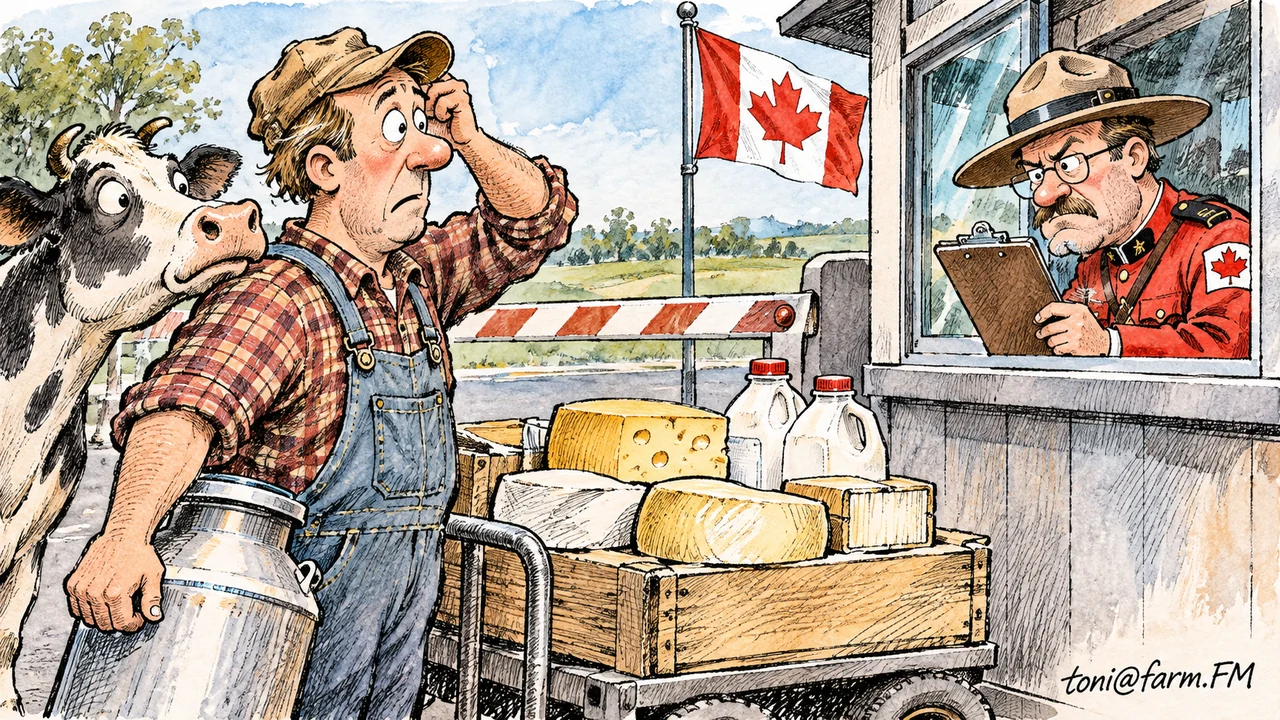
Pick one or two sources and read weekly. farm.FM has a lighter take on policy fights, such as a farm.FM story about tariffs and cheese, and the news page and agribusiness page keep an eye on the economy. The dairy herd guide is a reminder that good milk quality is worth more than any trade fight. Make a habit of asking one question about every claim: what is the evidence, and who says so? That habit will serve you in any trade debate.
Sources and further reading
- National Milk Producers Federation: dairy cooperatives and policy
- U.S. Dairy Export Council: dairy exports
- U.S. International Trade Commission: tariff and trade data
- USTR: U.S. Trade Representative
- USDA Foreign Agricultural Service: export markets and trade data
- Congress.gov: bills and legislative status
Ask locally: Ask your cooperative leadership or Farm Bureau county board how trade issues are being discussed locally.