The Texas Dairy Farm Succession Crisis
Many dairies run on one generation's sweat and another generation's uncertainty. Succession planning is the work of deciding who runs the place, who owns it and how everyone gets treated fairly.
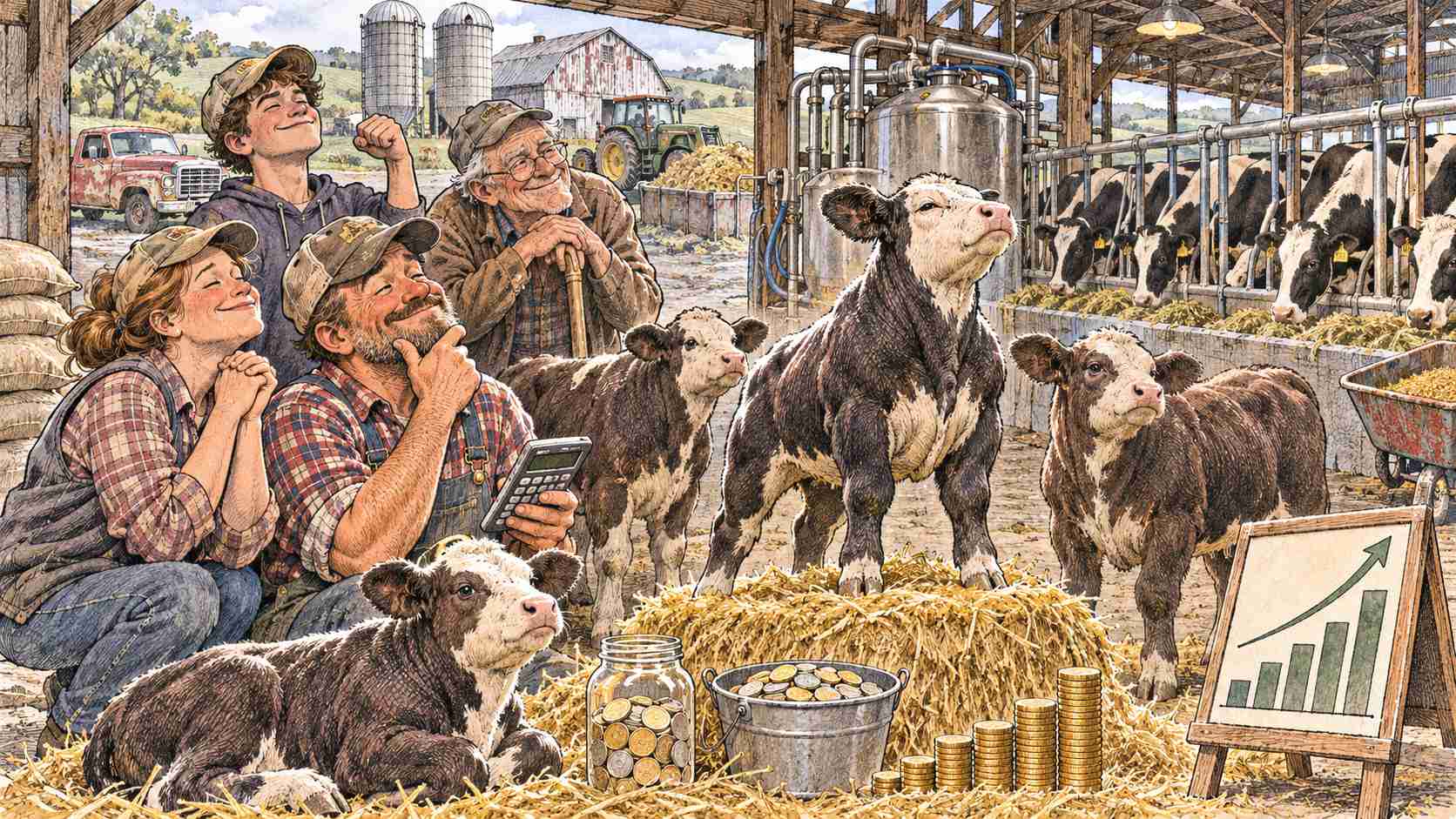
Why is succession so hard on a dairy?
A dairy ties together land, cows, equipment, debt and daily labor. Handing it on means dividing value among heirs while keeping the business functioning. Some children want to farm, others do not, and fairness does not always mean equal.
The headline calls this a crisis. Whatever the exact numbers, check them at the source, such as the Census of Agriculture, because trend claims should be verified before repeating them.
The mix of emotion and money is what makes it tough. A barn can hold memories for several generations, and a conversation about dividing it can feel like a conversation about loving it. Naming that out loud helps.
What should families talk about first?
Start with what each person wants, not with legal documents. Who wants to work on the farm? Who wants a share of the value without the labor? What does the retiring generation need to live on? Honest answers shape everything else.
Many families find a neutral facilitator helps. Extension agents at Texas A&M AgriLife Extension and groups like Texas Farm Bureau often hold workshops.
Hold family meetings with an agenda and a time limit, and write down what was agreed. Short, regular meetings work better than one big, tense weekend.
- Who wants to farm, and who does not
- What the senior generation needs for retirement
- How non-farming heirs are treated
- What happens if someone gets sick or dies
What legal and financial steps are involved?
Common tools include wills, trusts, buy-sell agreements, entity structures and leases. Each has tax effects. Estate and gift tax rules change, so check current rules on the IRS site and talk with an attorney and a tax professional who know agriculture.
Lenders should be part of the conversation. Compare Farm Credit associations and local banks about how loans transfer, and see FSA farm loans for programs aimed at newer producers. This is general education, not legal or tax advice.
Plan for the unexpected: illness, disability or death of a key operator. A document that names who has authority to sign checks and make animal decisions saves a family from a scramble in a bad week.
How do you bring in the next generation?
Give the next generation real responsibility early: a herd group, the feed budget, a vendor relationship. A gradual handoff builds skills and trust, and it shows whether the plan works before ownership changes.
Pay people fairly and set expectations about compensation versus ownership. Ag career resources help young people see paths in dairy, and small farm planning guidance may help with scaling decisions.
Consider outside experience. A few years working on another dairy can make a successor more confident and more credible with employees and lenders.
What if no family member wants to take over?
Options include selling to a neighbor, leasing, bringing in a non-family partner or an orderly wind-down. Each requires lead time, so start years before you need it. Early talks with advisors beat last-minute scrambling.
Stress is part of this. If conversations are hurting family relationships or health, reach out for support. In an emergency, call or text 988, and see the 988 Lifeline.
Retirement for the senior generation deserves a plan too. Income from leases, buyouts or a salary can make it easier to hand over control without fear.
More to read
Dairy trade coverage from Hoard's Dairyman often features family transitions. For more, visit farm.FM dairy and the farm economics section, including a farm.FM story on farm succession.
At farm.FM they find humor in family farms, but succession itself deserves a serious table and a written plan.
What does a simple timeline look like?
Start with conversations, then gather the financial records, then bring in advisors, then draft documents and finally begin a staged transfer of responsibility. Each step may take months, and the whole process often takes years.
Revisit the plan every year. Health, markets and family situations change, and a plan that was right five years ago may need updates now.
Sources and further reading
- Census of Agriculture: USDA census of farms
- IRS: federal tax guidance
- Texas A&M AgriLife Extension: Texas extension service
- Texas Farm Bureau: state farm organization
- Farm Credit: cooperative agricultural lending network
- 988 Suicide & Crisis Lifeline: call or text 988
Ask locally: Ask an attorney and tax professional experienced in farm estates, and your lender, before you sign anything.