The Texas Dairy Industry’s Immigration Compliance Guide
Dairies depend on a skilled and often immigrant workforce, and employers carry real paperwork duties when they hire. This guide sets out the questions to ask and points you to qualified help, because mistakes here are costly.
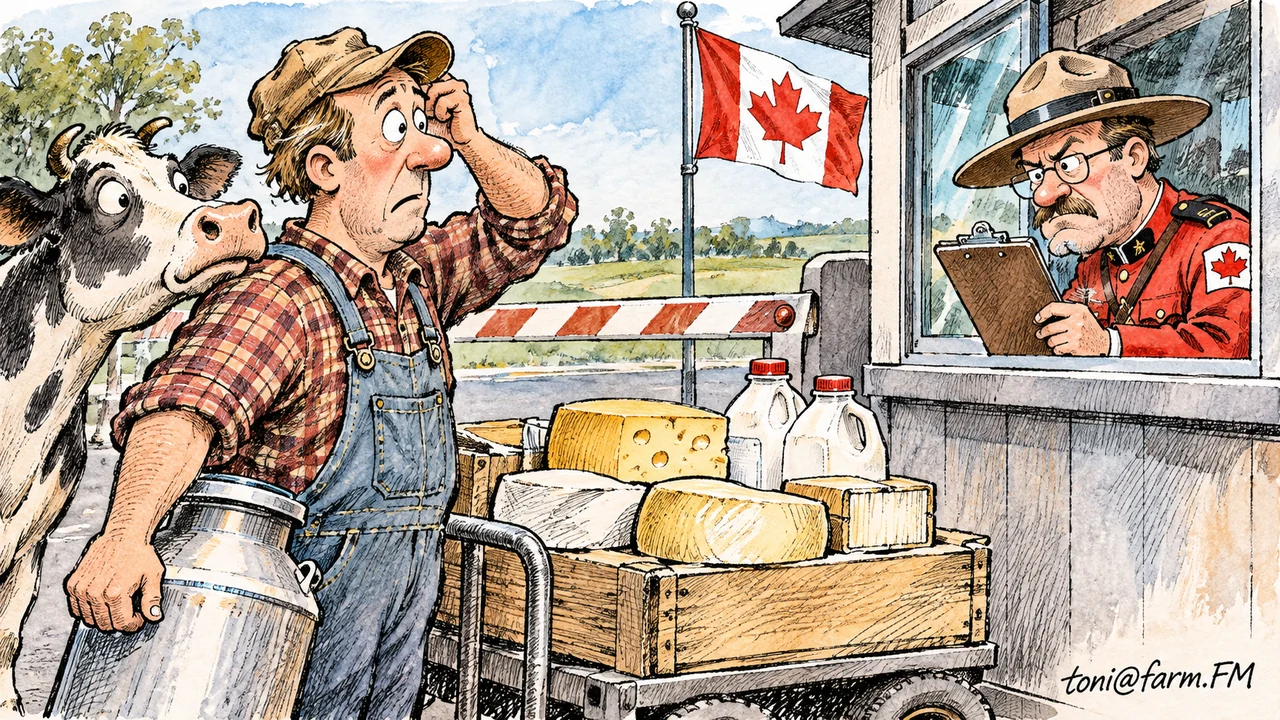
Why does compliance matter so much on a dairy?
Milking is steady, year-round work, and many dairies in Erath County and across Texas rely on workers from other countries. A hiring mistake can lead to fines, lost workers and disruption in the barn, and it can hurt good employees too.
Treat paperwork as part of running the farm, with the same care you give feed records. The rules are federal, they change, and they are not simple, so involve a qualified professional.
Be sure everyone who handles hiring, including family members, understands the same procedure. One inconsistent habit across shifts is how a small error repeats a hundred times.
What do employers have to do when hiring?
Federal law requires employers to verify that each new employee is authorized to work, using a government form and documents the employee chooses from an approved list. The employer must complete its part on time and keep the forms for the period the rules require.
Details on forms, timing and retention are published by federal agencies, and the U.S. Department of Labor offers employer guidance on related wage and hour duties. Always read the current instructions, not an old copy.
- Complete work-eligibility forms at the times the rules require
- Let employees choose acceptable documents, without demands for specific ones
- Store forms securely and separately from other files
- Keep records for the required period
- Train the people who handle hiring
What mistakes do employers make?
Common errors include missing forms, late completion, asking for the wrong documents, treating workers differently by origin and keeping sloppy files. Some of these can be seen as discrimination, which carries its own penalties.
A yearly internal check by a trained person, or an outside review by an attorney, can find and fix problems early. A written procedure also helps when staff change. Ask your attorney to explain in plain language what an error would mean for your dairy so you can set priorities.
What about visa programs and seasonal workers?
Some agricultural employers use temporary work visa programs, which have separate applications, wage rules, housing rules and recordkeeping. Dairy has historically had limited access to some of those programs because the work is year-round, so check what applies to your operation.
Program rules change, so verify with the agencies and an experienced immigration attorney. The farm labor and hiring basics at this ag jobs resource can help you understand how roles are structured.
How do wage, tax and safety duties fit in?
Every worker, regardless of origin, is covered by workplace protections that apply to the job. OSHA explains safety duties, the IRS covers payroll taxes, and the Texas Workforce Commission handles state employer matters.
Treat all employees fairly and consistently. Language training for safety instructions, in a language people understand, protects workers and the farm. See also the safety checklist at this farm safety resource.
What if you get a notice or an audit request?
Do not ignore it and do not improvise. Call an attorney the same day, gather the records that were requested, and avoid altering any files. Calm, organized records and a lawyer's help make a difference.
Tell your family and managers who will respond to officials so that messages are consistent. Know what your employees may fear, and treat them with respect during any process.
Where do you find qualified help?
Look for an attorney who handles employment and immigration for agricultural clients. The Texas Farm Bureau and your cooperative may offer referrals or educational sessions, and AgriLife Extension sometimes hosts workshops.
This guide is general education and not legal advice. For a lighter look at the people who keep the milk moving, visit the dairy section or the economics section at farm.FM, and see one farm.FM story on dairy workers and immigration for context.
Keep a short written plan for who handles notices, who reviews files each year and who calls the attorney, so nothing depends on one person.
Sources and further reading
- U.S. Department of Labor: labor rules and programs
- OSHA: workplace safety
- IRS: federal tax guidance
- Texas Workforce Commission: employment and labor programs
- Texas Farm Bureau: state farm organization
- Texas A&M AgriLife Extension: Texas extension service
Ask locally: Hire an attorney experienced in employment and immigration law for farms, and ask your cooperative about training sessions near Stephenville.