The High Plains Dairy Conference: A Hub for Innovation and Strategy
A good dairy conference saves you years of trial and error. Here is how to pick sessions, ask better questions and bring ideas back to the farm.
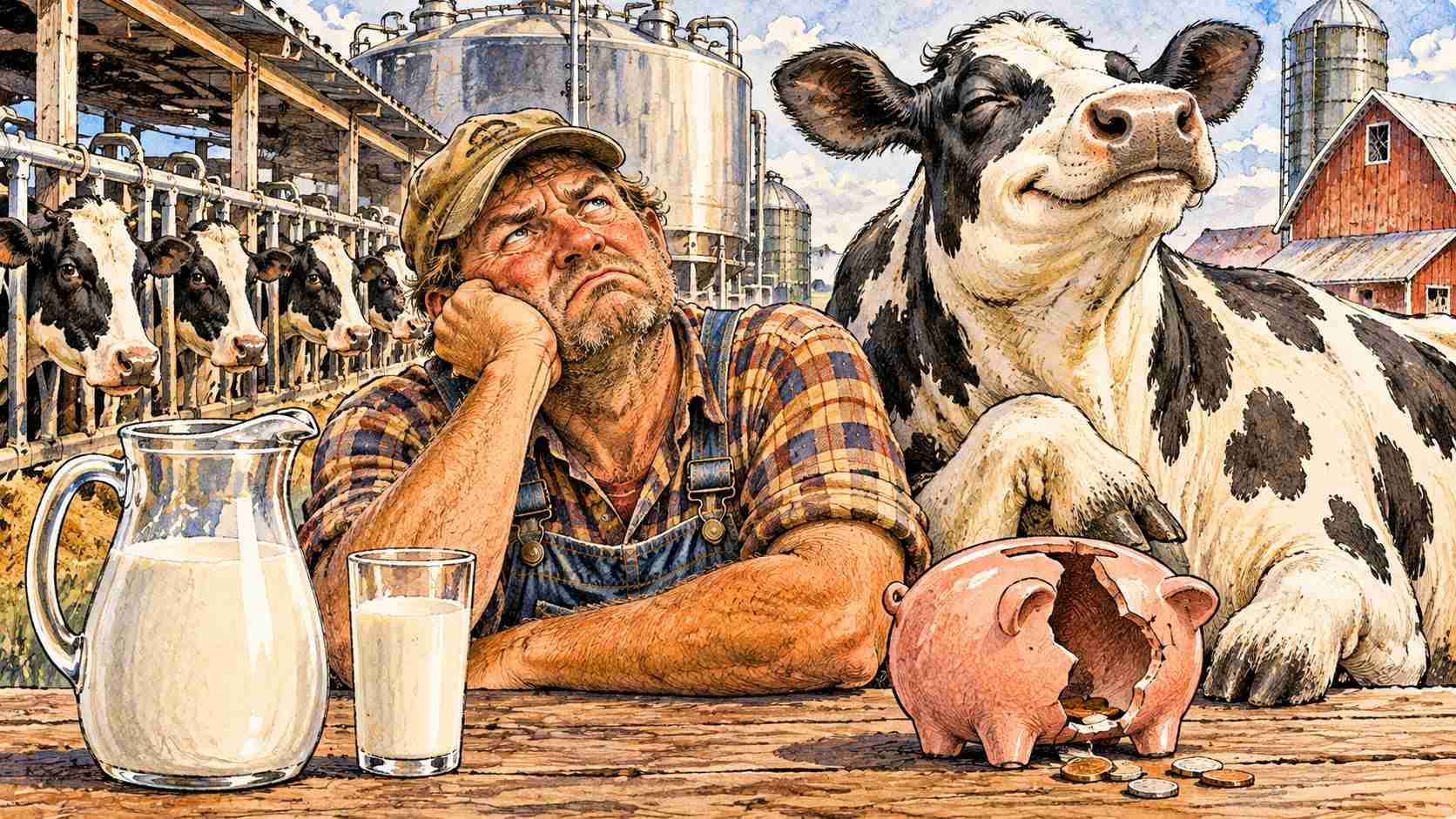
What does a regional dairy conference offer?
Conferences put researchers, nutritionists, processors, lenders and producers in one place. You hear about new research, market outlooks and practical fixes, and you meet people who have faced the same problems.
Check the official event page for dates, location, agenda and registration details. We do not list those here because they change from year to year, and the organizers are the authority.
Another advantage is exposure to the people who set the research agenda. University scientists often welcome questions from producers, and a real problem from your barn can turn into the next study. Many practical improvements started with a farmer asking a plain question.
Which sessions give the most value?
Look for topics that match your biggest cost or risk this year. That might be reproduction, feed efficiency, labor, manure management or market outlook. Pick sessions with data and farm examples, not just vendor pitches.
Bring a short list of problems. Mark the sessions that speak to each one, and leave time to talk to the speakers afterward. Many conversations are more useful than the slide deck.
Take the time to visit the poster sessions or any research displays if available. They show early findings that will not reach the trade press for months, and the authors are usually standing right there.
- Herd health and reproduction
- Feed and nutrition
- Labor and management
- Markets and policy
How do you prepare?
Gather your own numbers beforehand: milk per cow, cost per hundredweight, culling rate, labor hours. When a speaker mentions a benchmark, you can compare it right away. Bring a notebook or use your phone for notes.
If you are bringing employees, share the plan in advance. Sending a milker or herdsman to a session that fits their job builds loyalty and brings back practical ideas.
Plan for rest too. A full day of sessions is tiring, and the best notes come from people who paced themselves. Skip a session that does not fit and use the time to talk with someone useful.
How should you use the networking time?
Talk to people at different stages: young producers, plant staff, lenders, extension specialists. Ask what they would do differently and what resources they trust. Ask your lender or banker questions that are hard to ask in the office.
For financing background, see this farm money guide. Read market commentary in Dairy Market News before you go so that you can follow outlook talks.
Ask about producer panels or roundtables. These are often the most candid sessions, and people will say things on a panel that never appear in a press release. Listen for the failures as well as the successes.
What about vendors and exhibits?
Exhibits are useful for hands-on looks at equipment, software and feed products. Treat claims with care, ask for farm references and demand a trial before buying. A farm equipment guide helps you compare options.
Collect literature, but decide on purchases after you are back home and have run the numbers.
Keep a running list of vendor names and the specific product you saw. When you get home, compare it with alternatives and ask for trial terms in writing before you agree to anything.
How do you turn ideas into action?
Within a week, write down the three best ideas you heard. For each one, estimate the cost, who owns it and the first step. Share the list with your crew and your advisers.
Follow up with the speakers or your local extension office. Texas A&M AgriLife Extension and Dairy MAX can help you turn concepts into steady practice.
Do not forget to look at the market side. A session on prices or trade can change how you plan the next twelve months, and USDA Foreign Agricultural Service reports give context for export-driven talk.
Where can you find more events?
The Texas Panhandle and High Plains host many field days and meetings. Check the Texas Farm Bureau and the National Milk Producers Federation for industry gatherings.
For a lighter perspective, see farm.FM and its dairy section or news page, or try a farm.FM piece on conferences.
If you cannot attend, ask a neighbor who goes to share notes, or watch for summaries from extension offices. Many conferences publish slide decks afterward, but check with the organizers about what is available.
Sources and further reading
- USDA Dairy Market News: weekly dairy price reports
- Texas A&M AgriLife Extension: Texas extension service
- Dairy MAX: dairy promotion in the Southwest
- Texas Farm Bureau: state farm organization
- National Milk Producers Federation: dairy cooperatives and policy
- Hoard's Dairyman: dairy trade publication
Ask locally: Ask the conference organizers and your AgriLife Extension agent which sessions best match your operation.